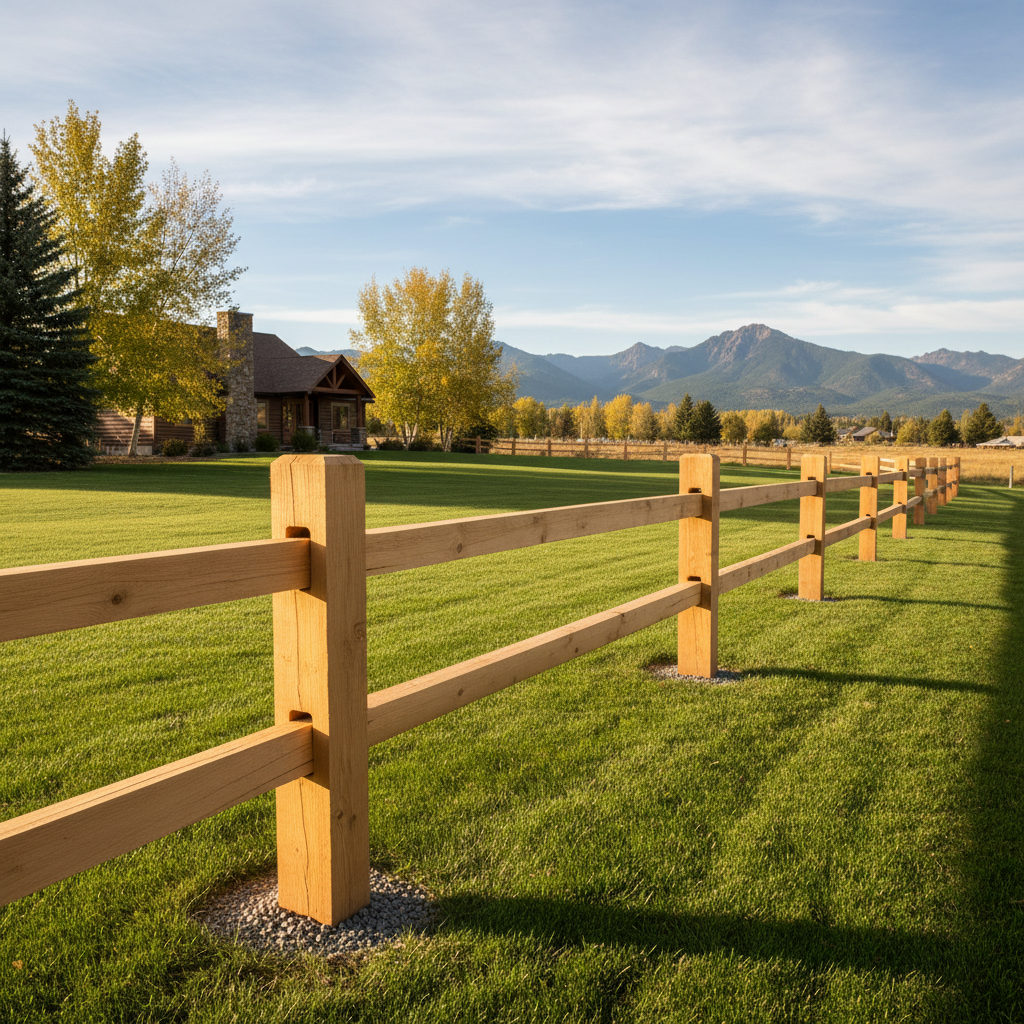
Your farm fence isn't just a boundary; it's a critical part of your operation, keeping livestock in and unwanted critters out. You've invested time and money into it, so you want it to last. Here in Missoula, with our hot summers, freezing winters, and occasional heavy snow loads, that fence gets put through its paces. Let's talk about how to make sure it stands strong for years.
Extending Your Fence's Lifespan from Day One
The best maintenance starts with good installation. When we put up a fence at Missoula Fencing Company, we're thinking about longevity. That means using quality materials – pressure-treated posts, galvanized wire, and sturdy hardware that can handle the elements. But even with the best initial build, you've got to do your part.
For wood posts, proper drainage around the base is huge. Don't let water pool there. If you're using electric fencing, make sure your ground rods are deep enough and properly connected. A good ground system is often overlooked, but it's what makes your electric fence actually work when you need it to. Also, consider the type of fence for the job. A high-tensile wire fence, properly tensioned, will often outlast a traditional barbed wire fence in terms of structural integrity and ease of repair.
Regular Maintenance: Your Eyes Are Your Best Tool
You don't need to be out there with a toolbox every day, but regular inspections are key. I tell folks to walk their fence lines at least once a month, and definitely after any major weather event like a big windstorm or heavy snowmelt. What are you looking for?
- Loose Wires or Staples: Wires can sag over time, especially with livestock leaning on them. Re-tension them if needed. Staples can work their way out of posts. Hammer them back in or replace them.
- Damaged Posts: Look for cracked, leaning, or rotted posts. Wood posts, even treated ones, will eventually succumb to moisture and pests. Steel posts can bend or get pulled out of the ground.
- Broken Insulators: For electric fences, insulators can crack or fall off, causing shorts. Replace them immediately.
- Vegetation Growth: Weeds and brush growing up into your fence can cause shorts on electric fences and put unnecessary pressure on any fence type. Keep a clear perimeter. This is especially important in areas like the Rattlesnake Valley where brush can get thick fast.
- Gate Functionality: Gates get the most wear and tear. Check hinges, latches, and sag. Lubricate hinges if they're squeaky or stiff. Adjust sag if the gate isn't closing properly.
A little proactive work goes a long way. Fixing a loose wire now is a lot cheaper and easier than chasing cattle down Reserve Street because a whole section of fence collapsed.
Warning Signs You Can't Ignore
Some problems need immediate attention. If you see any of these, don't put off the repair:
- Significant Sagging: If a whole section of wire is noticeably drooping, it's losing tension and won't hold.
- Leaning or Broken Posts: A single compromised post can put stress on its neighbors, leading to a domino effect.
- Constant Shorts on Electric Fences: If your energizer is constantly faulting or showing low voltage, you've got a major short somewhere. Find it and fix it.
- Evidence of Animal Breaches: If you see hair, tracks, or disturbed ground where animals have pushed through, your fence isn't doing its job.
When to Call a Professional
Look, I'm a big believer in DIY when you can do it safely and effectively. But there are times when it's smarter to call in the pros. If you're dealing with:
- Major Structural Damage: A whole section of fence is down, multiple posts are broken, or you've got significant erosion under your fence line.
- Complex Electric Fence Issues: You've checked all the obvious shorts, but your electric fence still isn't holding voltage. Tracking down those elusive shorts can be a real headache.
- New Fence Installation or Major Overhaul: If you're putting in a brand new fence or replacing a significant portion, getting it done right the first time saves you headaches and money down the road. Proper post setting, tensioning, and grounding are critical.
- Time Constraints or Lack of Equipment: Sometimes you just don't have the time, the right tools, or the extra hands to tackle a big fence repair. That's what we're here for.
Don't wait until your livestock are out on the highway or your crops are trampled. A well-maintained fence is an investment that pays off in peace of mind and operational efficiency. Keep an eye on it, fix the small stuff, and don't hesitate to call Missoula Fencing Company if you hit a snag you can't handle.